Source grade a used kids boots for resale, schools, and charities
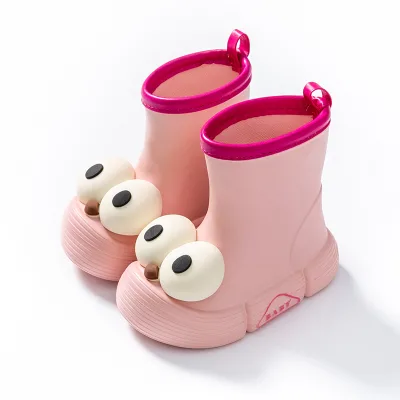
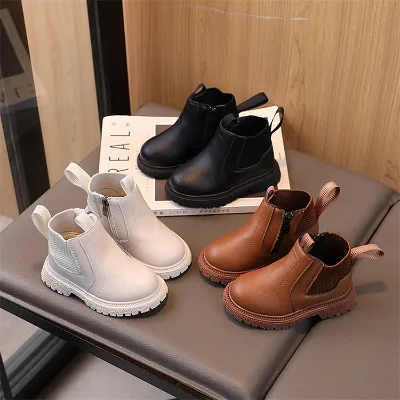
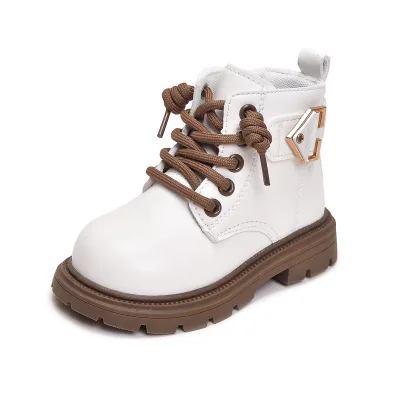
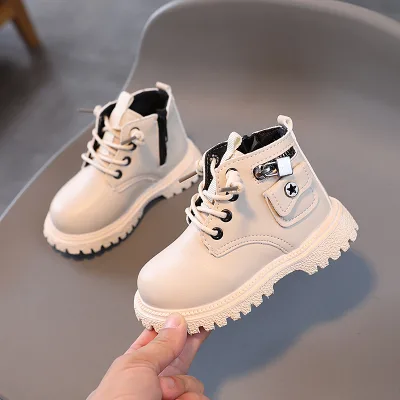
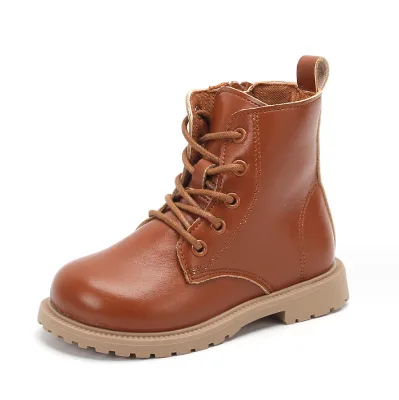
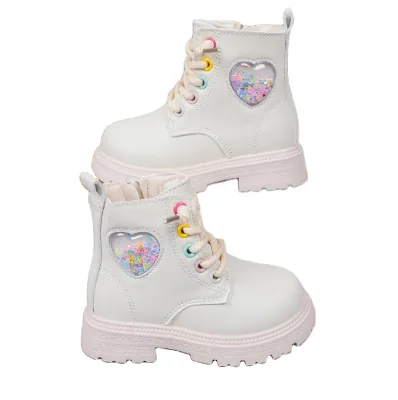
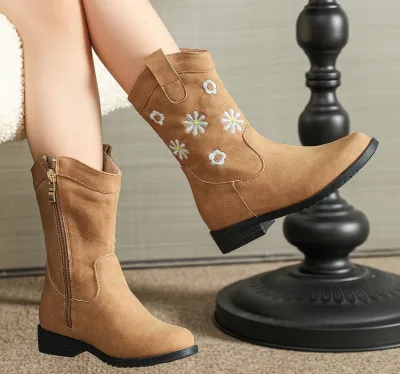
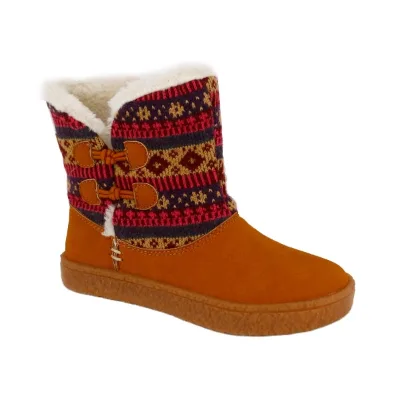
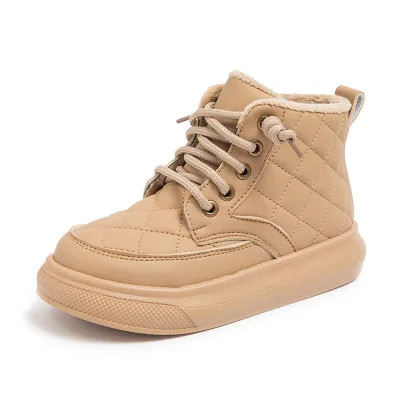
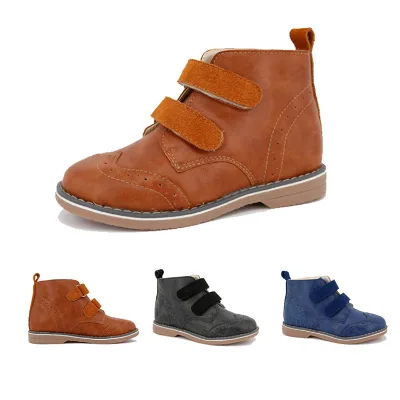
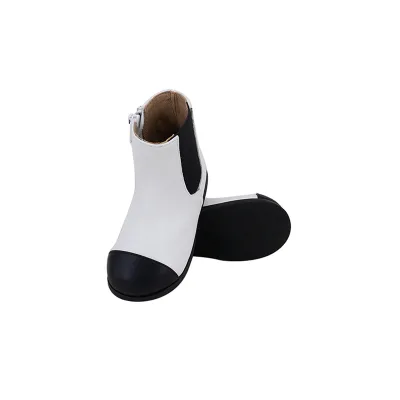
Explore 30 listings of grade a used kids boots featuring varied styles like waterproof and light weight options. Buyers can compare prices, sizes, and materials from suppliers in China to find suitable footwear for resale, schools, or charitable distribution.
Key considerations
Products List









Comprehensive Sourcing Guide
Strategic Sourcing Guide for Grade A Used Kids Boots
Understanding the Product Category and Market Context
The procurement of "grade a used kids boots" represents a specialized segment within the global second-hand footwear market, characterized by a unique blend of cost-efficiency and specific quality expectations. In this context, "grade a" typically denotes items that have been inspected and sorted to ensure a high degree of usability, often described in supplier listings as "Clean / 90%" condition. This classification implies that the footwear has been selected from a larger pool of used goods to exclude items with significant structural damage, excessive wear, or hygiene concerns that would render them unsuitable for resale or direct use.
The market for these goods is driven by the demand for durable, affordable footwear for children, particularly in regions where new footwear costs are prohibitive or where the rapid growth of children necessitates frequent replacement. The observed product data indicates a diverse range of styles, from "Modern" and "Cartoon" designs to "Casual" and "Sport" variations, catering to different consumer preferences. Buyers must recognize that this category is not monolithic; it encompasses everything from mixed-color bales to specific model numbers like "CMJL-1TK-07" or "E101," each with distinct attributes regarding heel height, material composition, and intended seasonality.
Technical Specifications and Material Composition
When evaluating used kids boots, technical specifications are the primary determinant of value and suitability. The supplied data reveals a variety of material profiles that buyers must verify against their specific needs. The upper materials frequently cited include "Synthetic Leather," "PU" (Polyurethane), and combinations of "Rubber+Synthetic Leather." These materials are chosen for their durability and ease of cleaning, which is critical for children's footwear that endures rough play.
The lining materials also vary significantly, with "EVA" and "Cotton Fabric" being the most common observations. EVA linings are often associated with lightweight properties and moisture management, while cotton fabric offers breathability and comfort. The sole material is predominantly "Rubber," a standard choice for providing traction and durability. Buyers should note that the heel height is generally categorized as "Low Heel," suitable for active children, though some listings may specify "Knee-High" or "Midi" boot heights, indicating different styles of coverage.
Size specifications are another critical technical aspect. The data shows a range from specific EUR sizes (20/21 up to 30/31) to "Mixed Size" categories. This distinction is vital for procurement strategy. A "Mixed Size" bale, often packaged as "25kg/Bale," offers volume but lacks size uniformity, requiring the buyer to have a robust sorting and distribution channel. Conversely, specific model numbers like "GL008" with a defined size range of 21-30 allow for more targeted inventory planning. The single package dimensions, such as 22x10x15 cm or 23x15x15 cm, provide essential data for calculating shipping container utilization and freight costs.
Compliance, Certification, and Quality Verification
In the used footwear sector, compliance and certification are often less standardized than in new goods manufacturing, yet they remain paramount for risk management. The term "Grade a Quality" is a frequent descriptor in supplier listings, but it is an observation rather than a universally certified standard. Buyers must treat this claim as a starting point for verification rather than a guarantee. The absence of specific brand names (listed as "NO") in many entries suggests that these products are often generic or unbranded, shifting the focus of compliance to general safety and hygiene standards rather than brand-specific warranties.
Buyers should verify that the "Clean / 90%" condition claim is backed by a transparent sorting process. This involves checking for signs of mold, structural integrity of the sole attachment, and the absence of hazardous materials. While the supplied data mentions a "Quality Standard" of "Grade a," it does not specify international testing protocols like ISO or ASTM. Therefore, procurement teams must establish their own acceptance criteria or request third-party inspection reports to confirm that the boots meet the safety requirements of the destination market. This is particularly important for children's products, where chemical safety and physical durability are strictly regulated in many jurisdictions.
Cost Drivers and Pricing Dynamics
The pricing structure for used kids boots is influenced by several dynamic factors, including the condition grade, packaging type, and volume. The observed price range of 3.11 to 1600 USD indicates a vast disparity, likely reflecting the difference between single-item purchases and bulk container loads. The lower end of the spectrum likely corresponds to individual pairs or small batches, while the higher end may represent full container loads or premium sorted grades.
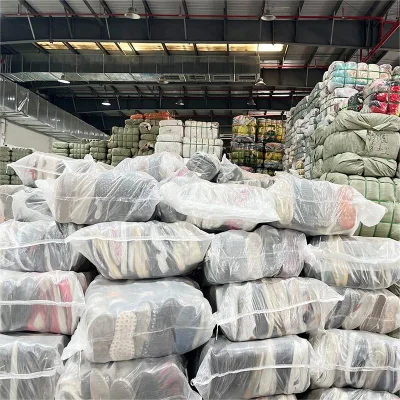
The Minimum Order Quantity (MOQ) is a significant cost driver, ranging from 2 pairs to a full 1x20FT Container. Purchasing at the "2 Pairs" level is suitable for sampling or small boutique operations, whereas the "1x20FT Container" MOQ is designed for large-scale distributors. The packaging method also impacts cost; "25kg Per Bale" packaging is standard for bulk shipments, reducing per-unit handling costs but increasing the logistical complexity of sorting. Buyers must calculate the total landed cost, including freight, customs duties, and the labor required to sort mixed-size bales, to determine the true cost per pair.
Typical Applications and Market Segmentation
The versatility of grade a used kids boots allows them to serve multiple market segments. The "All Seasons" and "Winter" classifications suggest that these boots are designed for varied climatic conditions, with features like "Waterproof" capabilities being a key selling point. The "Light Weight" attribute is particularly relevant for active children who require footwear that does not impede movement.
Applications range from daily wear for children in developing markets to resale in thrift stores and discount retailers in developed economies. The "Mixed Color" and "Mixed Size" options are ideal for markets where price sensitivity is high and brand preference is low. Conversely, specific styles like "Cartoon" or "Fashion" can target niche segments where visual appeal drives purchasing decisions. The "Daily Used" usage classification reinforces the expectation that these boots are functional and durable, suitable for regular school attendance or outdoor play.
Supplier Evaluation and Selection Criteria
Selecting a supplier for used kids boots requires a rigorous evaluation process that goes beyond simple price comparison. The data indicates that products originate from various locations, including "China" and specific provinces like "Hubei." While these locations are noted, buyers should not assume that all suppliers from these regions offer identical quality. Instead, the focus should be on the supplier's ability to consistently deliver "Grade a" items.
Key evaluation criteria include the supplier's sorting methodology, their ability to provide detailed photos of the actual goods, and their transparency regarding the "Condition" of the items. Suppliers who offer specific model numbers and detailed size breakdowns are generally more reliable than those offering only vague "Mixed Size" descriptions. The "Brand Name: NO" attribute suggests that many suppliers deal in unbranded goods, which can be an advantage for buyers looking to create their own private label or sell under a generic brand. However, it also means that buyers must rely entirely on the supplier's reputation and quality control processes.
Quality Control and Long-Term Procurement Strategy
Implementing a robust quality control (QC) protocol is essential for maintaining the integrity of the "Grade a" promise. Given the variability in used goods, a random sampling strategy is recommended before accepting a full shipment. Buyers should verify the "Single gross weight" and "Single package size" against the supplier's documentation to ensure consistency in shipping and inventory management.
For long-term procurement, building a relationship with suppliers who can provide consistent "Clean / 90%" condition items is crucial. This involves establishing clear communication channels regarding quality expectations and return policies for non-compliant goods. The "Feature: Light Weight, Waterproof" attributes should be verified on a sample basis to ensure they hold true across the entire batch. Additionally, buyers should consider the lifecycle of the product; boots that are "Waterproof" and made of "Rubber" soles generally have a longer usable life, making them a better value proposition for end-users.
Summary of Key Procurement Parameters
To facilitate quick reference during the sourcing process, the following table summarizes the critical parameters observed in the market for grade a used kids boots:
| Parameter Category | Observed Attributes | Procurement Consideration |
|---|---|---|
| Condition | Clean / 90%, Grade a Quality | Verify sorting process; request photos. |
| Material | PU, Rubber, Synthetic Leather, EVA, Cotton | Check for durability and comfort; verify lining. |
| Packaging | 25kg/Bale, Box, Single Item | Calculate freight efficiency; plan sorting labor. |
| MOQ | 2 Pairs to 1x20FT Container | Align with business scale; negotiate pricing tiers. |
| Size | Mixed Size, EUR 20-31, 21-30 | Assess distribution channel capability for mixed sizes. |
| Origin | China, Hubei | Verify logistics routes and import regulations. |
| Features | Waterproof, Light Weight, Low Heel | Validate performance claims on samples. |
By adhering to these guidelines and focusing on the verified attributes provided, buyers can navigate the complexities of the used kids boots market effectively. The key to success lies in rigorous verification, clear communication of expectations, and a strategic approach to managing the inherent variability of second-hand goods.
FAQs
What condition grade is expected for these boots?
The expected condition is Clean / 90% with Grade a Quality. This classification implies items are inspected to exclude significant structural damage or hygiene concerns, ensuring high usability for resale or direct use.
Which materials are commonly used for the uppers?
Common upper materials include Synthetic Leather, PU, and combinations of Rubber plus Synthetic Leather. These materials are selected for their durability and ease of cleaning, which is critical for children's footwear.
How are the boots typically packaged for shipment?
Boots are typically packaged as 25kg per bale or in individual boxes. This packaging method reduces per-unit handling costs but requires the buyer to have a robust sorting channel for mixed-size bales.
Can buyers order small quantities like two pairs?
Yes, buyers can order as few as 2 pairs as the minimum order quantity. However, bulk buyers may encounter a higher MOQ of 1x20FT Container, which is designed for large-scale distribution operations.
What sizes are available in the mixed size category?
Mixed size categories often include EUR sizes ranging from 20 to 31 or specific ranges like 21 to 30. Buyers must verify if the shipment contains mixed sizes or specific model numbers for targeted inventory planning.
Where do these products typically originate from?
Products typically originate from China, with specific origins noted in regions like Hubei. Buyers should verify logistics routes and import regulations associated with these specific supplier locations before finalizing orders.
What features make these boots suitable for daily use?
Features like being waterproof, light weight, and having low heels make them suitable for daily use. These attributes ensure the footwear is durable and comfortable for active children in various seasonal conditions.